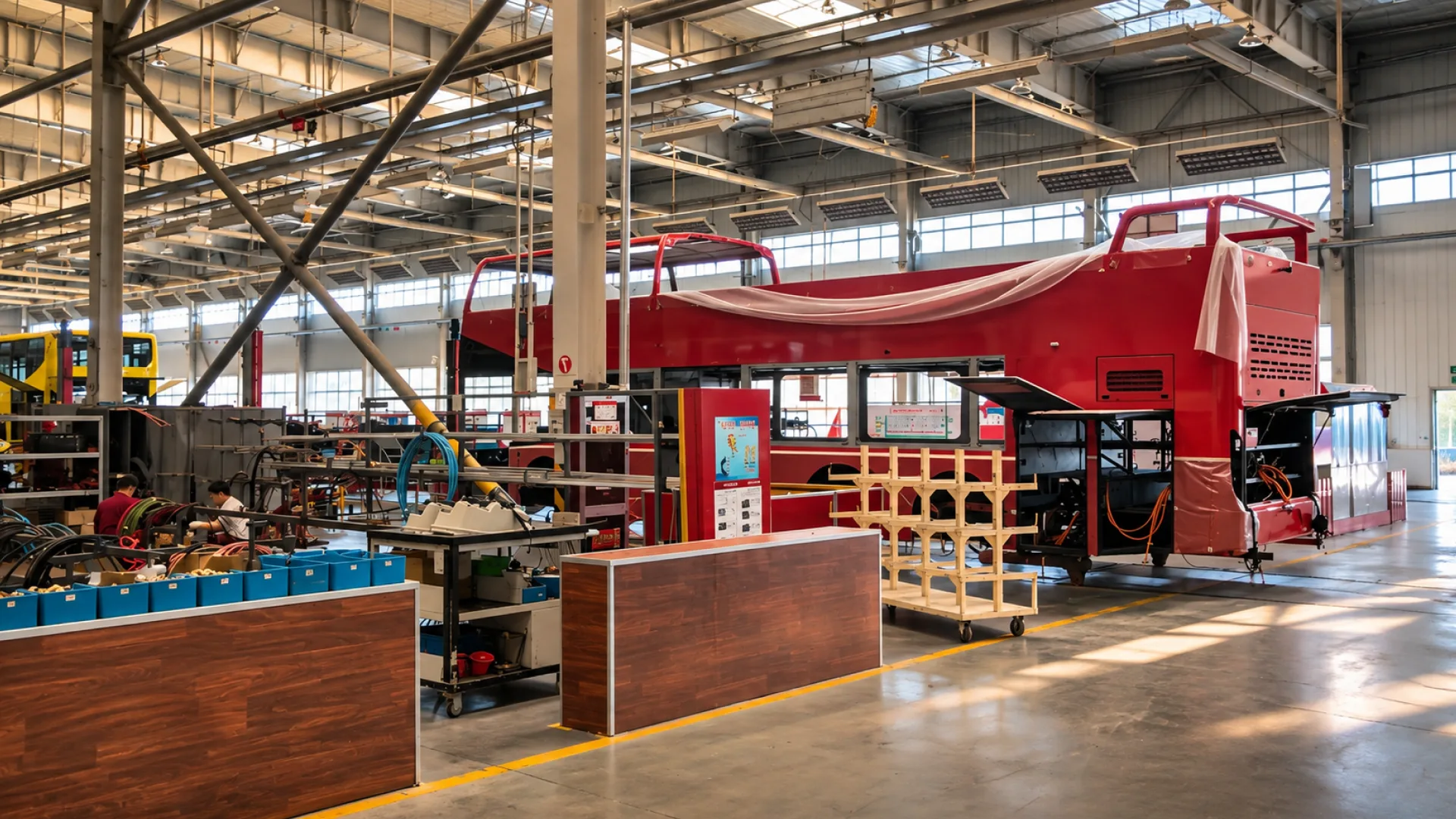
Visit enough factories in China, and you’ll notice something interesting.
Whether you’re discussing industrial valves, hotel furniture, or wooden doors, one sentence appears in almost every conversation:
“Our quality is better.”
Sometimes it explains a 5% price difference. Sometimes 20%. Occasionally, it seems to explain absolutely everything.
But here’s the problem: better quality isn’t a technical specification. It’s a claim that still needs an explanation.
And the most useful question isn’t whether the supplier believes their product is better.
It’s what exactly makes it better — and whether that difference matters to your business.
Two Products, Two Prices. What’s Actually Different?
Imagine receiving quotations from two Chinese manufacturers for what appears to be the same product.
The drawings match. The dimensions match. Both factories promise good quality.
But one quotation is 20% higher.
It would be easy to assume that the cheaper supplier is cutting corners or that the more expensive one is simply adding a higher margin.
Both explanations are possible. Neither should be your starting assumption.
The difference might be hidden in details that aren’t obvious in photographs:
- A different grade or thickness of metal.
- A stronger internal frame.
- Higher-quality adhesives or coatings.
- More consistent machining tolerances.
- Additional production testing.
Or the products might genuinely be comparable, with the price difference coming from production volumes, factory overhead, or commercial terms.
The price tells you there’s a difference. It doesn’t tell you what caused it. That’s what needs investigating.
A Door Factory That Actually Explained Its Price
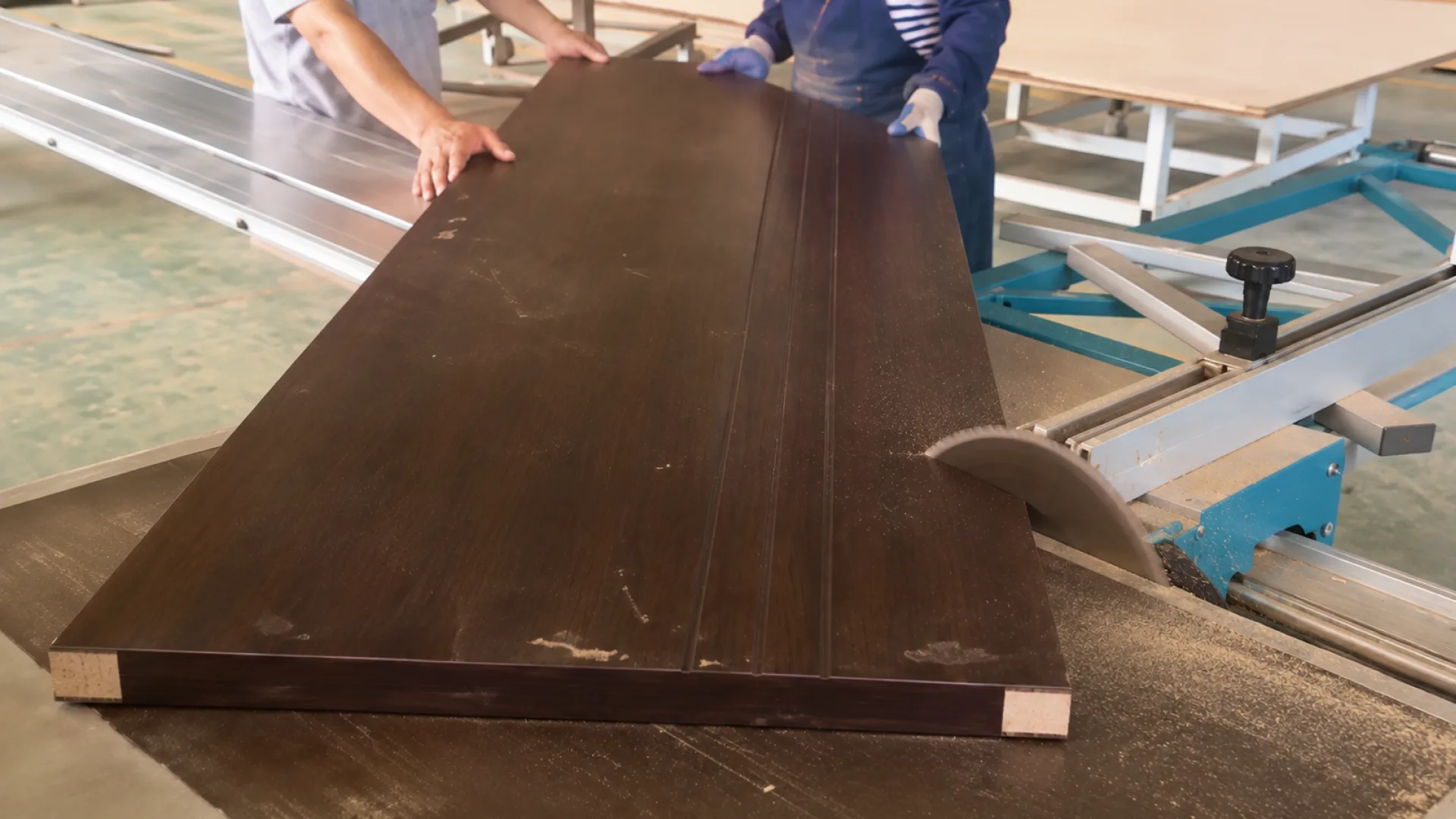
We recently received an interesting technical breakdown from a Chinese door manufacturer.
Instead of simply claiming that its doors were better, the factory showed us a cross-section of the door construction and explained several material choices.
One example was the internal frame.
The manufacturer used LVL (Laminated Veneer Lumber), an engineered wood product made by bonding thin layers of wood together.
According to the factory, this frame cost approximately RMB 60 more than the alternative.
Then came the adhesive.
The supplier compared an adhesive costing around RMB 1,500 per barrel with a cheaper option at approximately RMB 400.
Its argument was that the stronger bonding system reduced the risk of the joints separating under stress.
Does a more expensive adhesive automatically mean a better door?
Of course not.
The adhesive’s technical properties, suitability for the application, manufacturing process, and test results still matter.
But the conversation had changed.
We were no longer comparing two vague promises of quality. We were comparing specific materials, construction methods, and claims that could be investigated.
That’s what a useful supplier conversation looks like.
Five Questions That Make “Better Quality” Measurable
When comparing manufacturers in China, these questions often reveal more than another hour of discussing prices.
- What exactly is different? Ask for the material grade, thickness, composition, construction details, or component specifications. “Premium material” is not a specification.
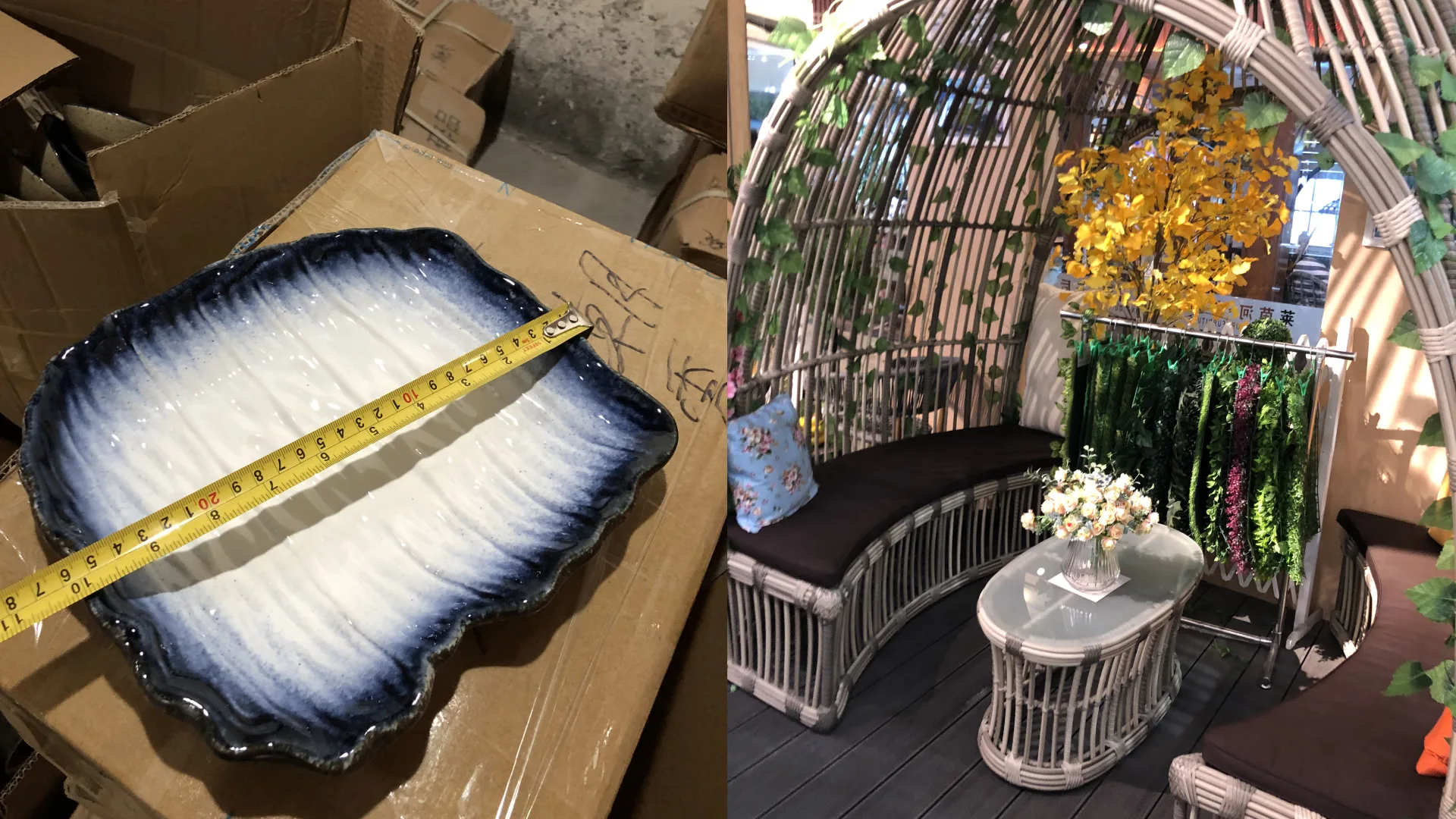
- Can we compare the samples side by side? A physical comparison can reveal differences in finish, construction, weight, and workmanship. For critical characteristics, laboratory or performance testing may also be necessary.
- What tests support your claims? If a manufacturer says a coating lasts longer, a component withstands higher pressure, or a joint is stronger, ask how that performance was measured.
- How do you maintain the same quality across the entire order? A perfect sample means little if the production batch is inconsistent. Ask about inspection procedures, acceptance criteria, and how nonconforming products are handled.
- What happens if the product fails? Quality is also about accountability. Warranty conditions, defect handling, replacement procedures, and responsibility for corrective action should be clear before production begins.
These questions aren’t designed to catch factories making mistakes.
They’re designed to establish whether everyone is talking about the same product and the same expectations.
The Best Quality Isn’t Always the Most Expensive
Here’s something that often gets lost in discussions about manufacturing quality.
A technically superior product isn’t automatically the right product for your market.
Consider a company importing furniture for a budget hotel chain.
A manufacturer offers an upgraded construction designed for significantly heavier use, but at a considerably higher price.
Is the upgrade worthwhile?
Maybe. If it extends the furniture’s service life, reduces maintenance, or prevents costly replacements, the higher initial cost may be justified.
But if the standard version already meets the hotel’s operational requirements, the upgrade may add cost without creating meaningful value.
The same principle applies to industrial equipment, packaging, building materials, and consumer products.
The objective isn’t to buy the most expensive specification available.
It’s to establish the level of quality your product needs to deliver — consistently and reliably.
That requires understanding the intended application, customer expectations, applicable standards, and acceptable performance.
Only then does comparing factory quotations become meaningful.
The Sample Is Approved. Now Comes the Real Test
There is one more distinction worth making.
Sample quality and production quality are not necessarily the same thing.
A supplier may produce an excellent sample under carefully controlled conditions.
The real challenge is maintaining those specifications across hundreds or thousands of units.
Materials can change. Production processes can drift. Different batches may produce different results.
This is why quality control in China shouldn’t begin only when the finished goods are ready to ship.
For suitable projects, it can include confirming approved materials, checking critical stages during manufacturing, and conducting a pre-shipment inspection against agreed specifications.
A final inspection is valuable, but it cannot always reveal problems hidden inside a completed product.
For example, once a door has been fully assembled and finished, its internal construction may no longer be visible without destructive inspection.
That’s why the right checks depend on the product and its manufacturing process.
Quality Is What You Can Verify — and Repeat
At China2EU, we work with manufacturers across different industries, from furniture and building materials to industrial products and customized equipment.
And one lesson applies almost everywhere:
A supplier’s confidence is useful. Their willingness to provide evidence is much more useful.
The strongest manufacturing relationships aren’t necessarily with factories that promise perfection.
They’re with factories that understand the required specifications, explain their decisions, communicate problems early, and consistently deliver what was agreed.
Because the real measure of quality isn’t how impressive the first sample looks.
It’s whether the thousandth unit meets the same expectations as the first.
And the next time a manufacturer says, “Our quality is better,” there’s a simple response:
“Great. Show us exactly where.”
Looking for the Right Manufacturer in China?
Comparing factory quotations is only part of the process. Understanding what’s behind those prices — materials, production standards, and quality control — is where the real work begins.
At China2EU, we help businesses evaluate manufacturers, verify specifications, oversee production, and inspect goods before shipment.
Have a product or project in mind? Tell us what you’re looking for, and we’ll help you explore the manufacturing options in China.